
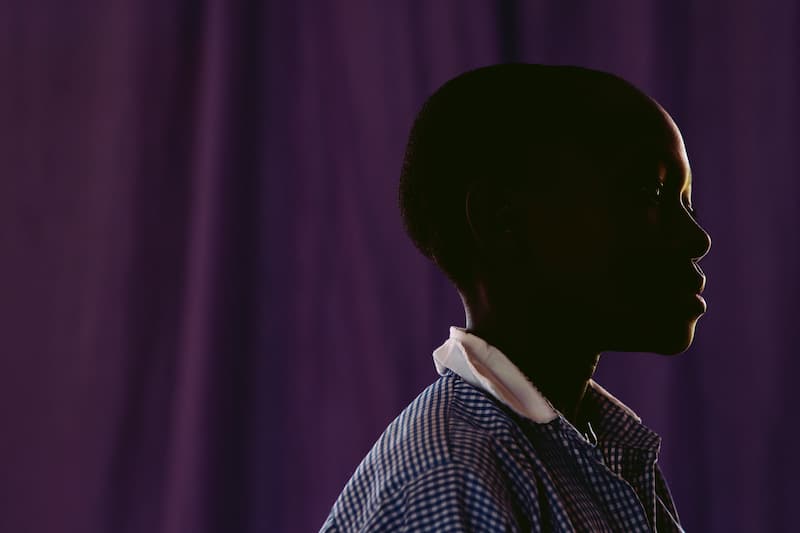
Educational poverty is a condition in which children and adolescents are deprived of essential opportunities to learn, explore the world, develop their potential, and shape their future with autonomy and awareness.
This condition arises when children grow up without access to formative experiences, cultural stimuli, or opportunities that enable them to develop knowledge, talents, passions, and aspirations.
While inadequate schooling is a central factor, educational poverty extends beyond poor academic attainment. It is a multidimensional phenomenon, shaped by family, economic, and social factors, and encompasses both cognitive and non-cognitive skills, including emotional and relational competencies.
For example, educational poverty is present when a child living in a remote area without access to early childhood education or reliable public transportation is unable to attend school regularly, or when a teenager must leave school after middle school to support their family’s income. In both cases, the fundamental right to education is denied.
Educational poverty is measured using various indicators. One such benchmark is the European Union target that at least 45% of children aged 0–2 should have access to early childhood care. When a country falls below this threshold, it is considered deprived in this domain.
Causes of Educational Poverty
Research at both national and European levels identifies the following as key drivers of educational poverty:
- Economic hardship and social inequality
- Parents’ level of education
- Lack of access to early childhood education and care
- Limited cultural offerings in the local area
- Fragile or unsupportive family environments
- Low quality of educational provision
Educational poverty stems from the interaction of structural family, economic, social, and educational inequalities, which systematically limit children’s and youth’s access to equal opportunities — thereby impeding the empowerment of individuals and entire communities.
Strategies to Combat Educational Poverty
Addressing educational poverty calls for a systemic, multi-level approach — at the individual, family, community, and institutional levels — to close the gaps that prevent so many children and young people from realizing their full potential.
Effective strategies to combat educational poverty include:
- Improving the quality of education and early childhood services, ensuring stimulating, inclusive, and welcoming environments from the earliest years
- Investing in teacher training to promote inclusive education and participatory teaching methods
- Promoting hands-on, inclusive learning that uses diverse modes of expression and communication
- Tackling school dropout and learning loss through targeted orientation and support initiatives
- Supporting community-based educational agreements between schools, families, local institutions, and the Third Sector. Nonprofit organizations in particular can play a key role by designing context-specific educational projects
- Transforming schools into community hubs — not only places of instruction, but also centers for connection, socialization, and local cohesion
Ultimately, fighting educational poverty means expanding both formal and informal learning opportunities, while promoting culture, social inclusion, and well-being.
ABF’s Commitment
Since 2011, the Andrea Bocelli Foundation has been developing and implementing educational projects aligned with Sustainable Development Goal 4 of the United Nations 2030 Agenda: ensuring inclusive, equitable, and quality education and promoting lifelong learning opportunities for all.
Fighting educational poverty is the common thread that connects every ABF initiative. Restoring children and youth — especially those in fragile or underserved contexts — their full right to grow, learn, and actively shape their futures is at the core of the Foundation’s mission: Empowering people and communities.
From rebuilding schools in Central Italy following the 2016 earthquakes to expanding access to quality education in some of the world’s most vulnerable settings, every ABF project is designed to provide tools, spaces, and opportunities to those who lack them. These interventions draw on multiple expressive languages, including art, music, and digital technologies.
Among the most impactful initiatives are ABF’s six schools and educational programs in Haiti — a country facing an ongoing humanitarian crisis — where school becomes a place of protection from violence and the only path to empowerment for future generations.
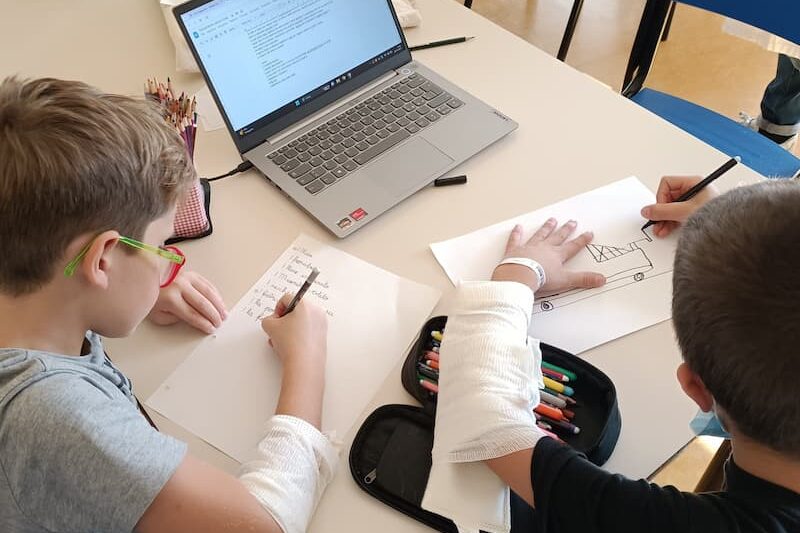
Through its ABF Edu and ABF Edu-Care programs, the Foundation promotes innovative teaching models, co-designed with local educators, to foster interaction, discovery, and the development of each child’s talents through the languages of art, music, and digital learning.
This commitment extends to both pediatric hospitals affiliated with the Italian Pediatric Hospitals Association (AOPI) — ensuring that hospitalized children continue to access quality education — and to post-earthquake schools, now transformed into inclusive community centers.
At the core of the ABF Voices of program is music. Through regional choirs established in vulnerable areas of the world, girls and boys, young women and men are given the opportunity to discover and nurture their talents.
For young people aged 16 to 25, seeking training, guidance, and personal growth, the ABF Globalab educational program offers practical tools and tailored pathways to develop core competencies which are essential for building a more aware, independent, and fulfilling future.


